
Ledger.com/Start® — Getting Started with Ledger Live™
Ledger.com/start provides useful information for configuring your Ledger device and accessing wallet tools for accounts, holdings, balances, and crypto activity.
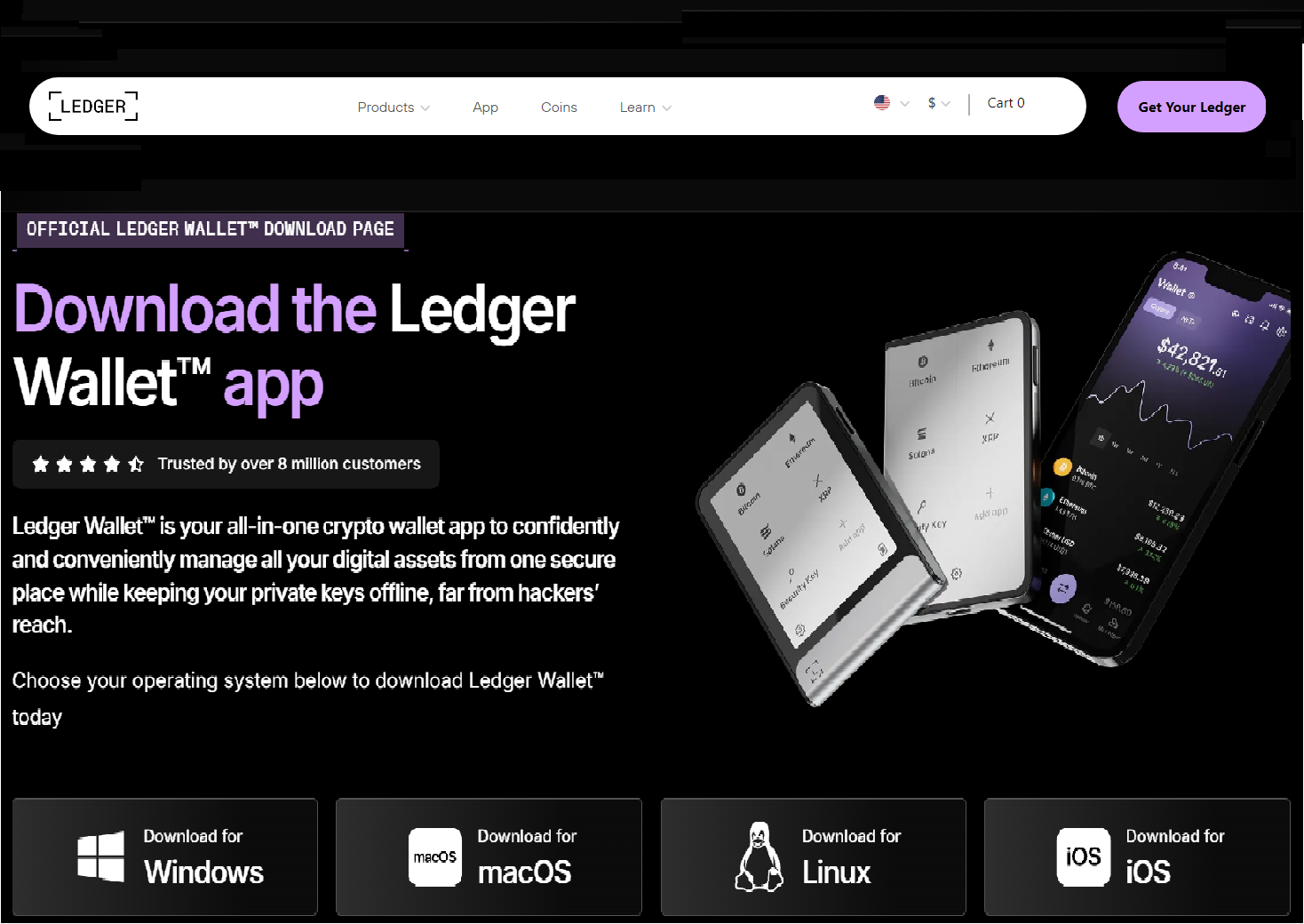
Ledger.com/start: Understanding the Important Milestones in Your Ledger Wallet Journey
Getting started with a hardware wallet involves several different stages, and understanding the purpose of each stage can make the overall experience easier. From preparing your computer to reviewing transactions, each milestone introduces an important part of responsible cryptocurrency management. Ledger.com/start can act as a starting point for users who want to approach their Ledger wallet journey in a structured way.
Milestone One: Prepare
The first milestone happens before you even begin the setup.
Choose a computer that you trust and a location where you can concentrate. Avoid using public computers for sensitive wallet activities.
Preparation also means knowing where your setup instructions are coming from. Navigate to the appropriate official starting point instead of relying on links provided by strangers or unknown online accounts.
Milestone Two: Complete the Initial Setup
Once you begin through Ledger.com/start, take time to understand each instruction.
Avoid clicking through screens without reading them. Pay attention to information displayed during the setup process and follow the instructions associated with your device.
If something appears unusual, stop before continuing. It is better to verify an unexpected instruction than to assume it is normal.
Milestone Three: Secure Recovery Information
The next major milestone is understanding how recovery information should be handled.
Your recovery information is not ordinary account information. It should remain confidential and should not be shared with websites, online contacts, friends, or supposed support representatives.
Do not store sensitive recovery details in easily accessible digital locations such as screenshots, email accounts, cloud storage, or messaging applications.
Keeping this information private is a fundamental part of responsible wallet ownership.
Milestone Four: Understand Your Accounts
After setup, become familiar with the way your wallet organizes accounts and assets.
Review the information displayed in your wallet and learn how balances and transaction activity are represented. If you manage multiple assets, take time to understand which account corresponds to each activity.
Good organization can make regular wallet sessions easier and can help you recognize unfamiliar activity.
Milestone Five: Learn to Receive
Receiving cryptocurrency provides an opportunity to practice using public wallet information.
Before sharing an address, confirm that it belongs to the correct account and is suitable for the intended asset and network.
Remember that sharing a public receiving address is fundamentally different from revealing confidential recovery information.
Once funds arrive, review the transaction information and become familiar with how incoming activity appears.
Milestone Six: Learn to Send
Sending cryptocurrency requires additional attention because an outgoing transaction can have significant consequences.
Before approving a transfer, check the recipient, asset, network, amount, and other relevant transaction details.
When the hardware device displays confirmation information, read it carefully. Do not approve a transaction simply because you recognize the general destination.
For new users, understanding the process is more important than completing a large transaction quickly.
Milestone Seven: Recognize Suspicious Requests
Another important milestone is learning how to respond when something seems unusual.
You may encounter messages claiming that your wallet needs verification, that an account has a problem, or that immediate action is required.
Do not allow urgency to replace verification. Instead, independently locate trusted information and confirm whether any action is actually necessary.
Never provide confidential recovery information in response to an unsolicited request.
Milestone Eight: Establish a Routine
Once the fundamentals become familiar, create a simple routine for future sessions.
Use trusted sources, protect sensitive information, review transactions, and pause whenever something does not match your expectations.
A consistent process can reduce avoidable mistakes and make wallet management easier to understand.
Continue Learning
A hardware wallet journey does not end after the initial setup. Cryptocurrency networks, transaction concepts, and wallet functions can take time to learn.
Focus on the functions relevant to your needs and expand your knowledge gradually. There is no advantage in rushing into features you do not yet understand.
Conclusion
The journey beginning with Ledger.com/start can be viewed as a series of practical milestones: preparation, setup, recovery protection, account organization, receiving, sending, security awareness, and ongoing learning.
Approaching each stage carefully can help create a more organized wallet experience while giving new users time to develop responsible cryptocurrency-management habits.
Updated about 4 hours ago