
Ledger.com/Start® — Getting Started with Ledger Live™
Ledger.com/start helps you get your hardware wallet ready while providing guidance for managing accounts, reviewing assets, checking balances, and transfers.
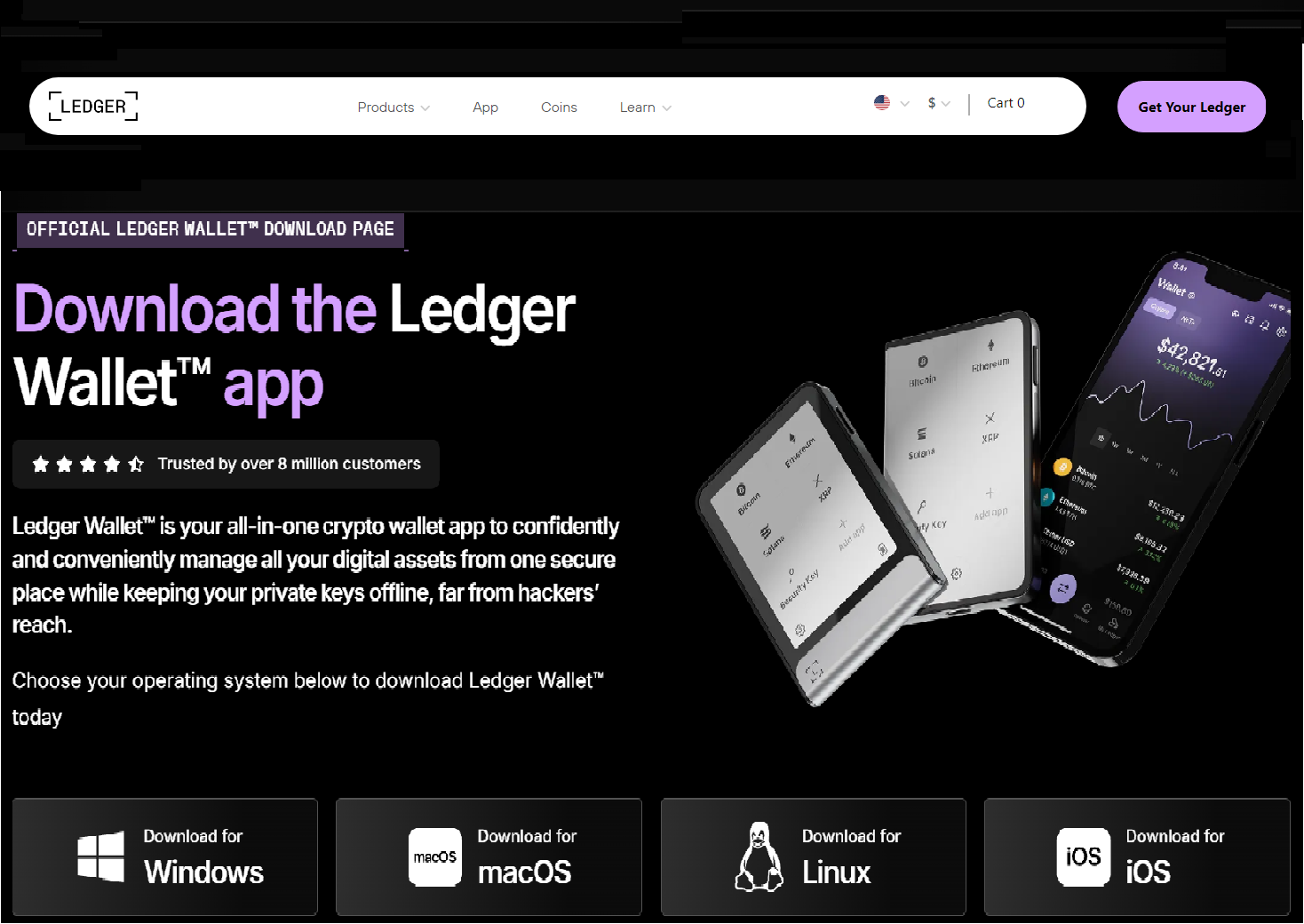
Ledger.com/start: Essential Setup and Security Lessons Every New User Should Know
A hardware wallet is designed to give users greater control over their cryptocurrency, but using one responsibly requires more than completing an initial installation. New users need to understand how the setup process works, which information should remain private, and how to approach transactions carefully. Ledger.com/start can be used as a starting point for learning these fundamentals.
Make Preparation Part of the Setup
Before connecting your wallet, choose a trusted computer and a private environment. Avoid handling important wallet tasks while distracted or using an unfamiliar device.
Preparation also includes verifying the source of any software or instructions you plan to use. A website that looks professional is not necessarily legitimate, so independently check the source before downloading anything or entering information.
Follow the Setup Process Carefully
When beginning through Ledger.com/start, read each instruction rather than simply clicking through the process. The purpose of setup is not just to complete a series of screens; it is also an opportunity to understand how your wallet works.
Pay attention to information displayed during the setup process and on the hardware device. If something does not match your expectations, stop and verify it before continuing.
Protect Your Most Sensitive Information
Recovery information deserves special attention throughout your wallet journey. It should remain private and should not be shared with friends, online communities, customer-service accounts, or strangers.
Avoid taking digital photographs of sensitive recovery information or storing it in email, cloud storage, messaging applications, or online notes.
If someone unexpectedly asks for recovery information while claiming to help you, treat the request with caution and verify it through a trusted source.
Learn the Difference Between Wallet Functions
Once setup is complete, spend time understanding the basic functions of your wallet. Learn how accounts are organized, how balances are displayed, and how transaction history works.
It is also useful to understand the difference between receiving and sending cryptocurrency.
Receiving normally involves sharing a public address associated with the appropriate asset and account. Sending requires reviewing transaction information and approving an outgoing transfer.
Create a Transaction Review Process
A consistent transaction review can help reduce careless mistakes. Before sending cryptocurrency, check the following:
Asset: Confirm that you selected the intended cryptocurrency.
Network: Make sure the network is appropriate for the transaction.
Recipient: Carefully review the destination information.
Amount: Confirm that the amount matches your intention.
Confirmation: Read the relevant confirmation information before approving.
Do not allow familiarity to replace verification. Even if you have completed similar transactions before, reviewing the details each time is a useful habit.
Be Cautious With Online Messages
Wallet users can encounter phishing attempts through email, social media, websites, or direct messages. These attempts may use urgent language to persuade you to act quickly.
For example, an unexpected message might claim that your wallet requires immediate verification. Rather than clicking the provided link, independently visit a trusted source and determine whether any action is actually necessary.
Build a Long-Term Wallet Routine
Once you understand the basics, create a routine that fits the way you use your wallet. Keep track of the accounts you actually use, review transactions when appropriate, and maintain control over sensitive information.
Avoid unnecessary changes simply because a feature is available. Learn what a function does before depending on it.
Learn at Your Own Pace
You do not need advanced cryptocurrency knowledge on your first day. Begin with setup, account management, receiving, and transaction verification. Then gradually explore other features as your understanding improves.
A slower learning process can be more useful than rushing through unfamiliar functions.
Conclusion
Starting a hardware wallet successfully involves both technical setup and responsible habits. Ledger.com/start can provide a starting point for learning the process, while careful preparation, information privacy, transaction verification, and source checking can support better everyday wallet management.
Take each stage seriously, keep confidential information private, and develop a consistent routine. Over time, these simple practices can make managing your Ledger wallet more organized and easier to understand.
Updated about 4 hours ago