
Ledger.com/Start® | Getting started®™ — Ledger Support
Start with Ledger.com/start to configure your Ledger device and explore wallet management resources for supported crypto accounts, holdings, and transfers.
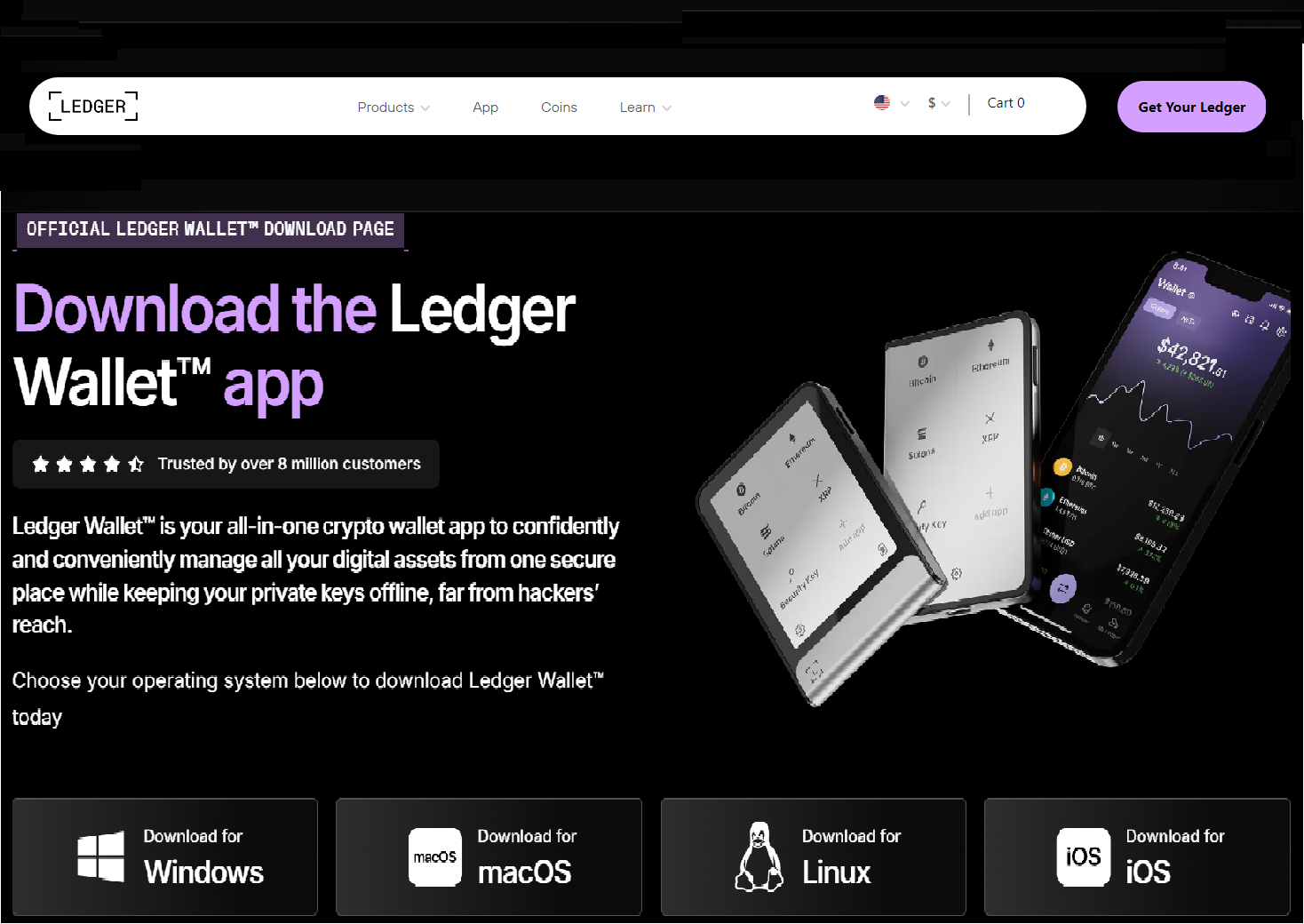
Ledger.com/start: A Practical Guide to Making Your First Ledger Wallet Experience Easier
For someone new to hardware wallets, the first setup can involve unfamiliar terminology, security decisions, and several steps that require attention. A structured approach can make the process easier to understand. Ledger.com/start provides a useful starting point for users who want to begin their Ledger wallet journey while developing sensible habits from the beginning.
Know What You Are Trying to Accomplish
Before beginning, identify your immediate goal. You may simply want to initialize your wallet, prepare to receive cryptocurrency, or understand how everyday management works.
Having a clear objective prevents you from becoming distracted by features you do not currently need.
Start with the fundamentals and expand your knowledge as you become comfortable with the wallet.
Prepare a Trusted Environment
Your setup environment matters. Use a computer that you control and trust, and choose a private location where you can concentrate.
Avoid rushing through the process while using public or shared computers. Sensitive wallet activities deserve your full attention.
It is also useful to close unnecessary browser tabs and applications so you can focus on the instructions in front of you.
Begin From a Verified Source
When starting the setup process, source verification should come before downloading software or following instructions.
Navigate independently to Ledger.com/start rather than relying on links sent by unknown people. Be especially careful with search advertisements, direct messages, and emails that attempt to create urgency.
If the website address or instructions seem unusual, stop and verify the source before proceeding.
Read Instead of Clicking Automatically
New users sometimes make the mistake of treating setup as a sequence of buttons that must simply be pressed.
Instead, read each step and understand its purpose. Pay attention to information shown by the hardware wallet and make sure it matches what you expect.
If you are unsure about a particular instruction, investigate it before continuing.
This approach may take a little longer, but it gives you a better understanding of the process.
Treat Recovery Information Differently
Recovery information should never be treated like a normal password or username.
Keep it private and secure. Do not enter it into random websites or send it to anyone who contacts you online.
A person claiming to be support does not automatically have a legitimate reason to request confidential recovery information.
Avoid storing sensitive recovery information in screenshots, cloud documents, email accounts, or messaging applications.
Learn the Wallet Before Moving Funds
After setup, take some time to understand your wallet interface and account structure.
Learn how balances are displayed, where transaction activity appears, and how different assets are organized.
If you have multiple accounts, understand the purpose of each one. Avoid adding unnecessary complexity before you are familiar with the basic workflow.
Understand Receiving
Receiving cryptocurrency is a good opportunity to learn about public wallet addresses.
Before providing an address, check that it belongs to the correct account and corresponds with the intended asset and network.
Remember that a receiving address is public wallet information, while recovery information is confidential.
Once a transfer arrives, review the transaction details so you can recognize normal incoming activity.
Prepare Before Sending
Outgoing transactions deserve careful review.
Before approving a transfer, confirm the asset, network, destination, and amount. Carefully read the relevant confirmation information before authorizing the transaction.
If something does not match your intention, stop rather than trying to correct it after approval.
For beginners, learning the process with a small transaction may help build familiarity before managing larger amounts.
Handle Problems Without Panic
Unexpected messages and warnings can create pressure to act quickly. Instead of responding immediately, pause and verify.
If you encounter a suspicious message or unfamiliar website, independently locate trusted information. Never disclose confidential recovery information to resolve an unexpected problem.
Build Confidence Gradually
Confidence should come from understanding, not from rushing.
Start with basic wallet management and gradually learn about additional concepts such as networks, transaction fees, account organization, and other functions relevant to your needs.
Conclusion
Ledger.com/start can be a practical starting point for a new Ledger wallet user. A successful beginning involves more than completing setup. It includes preparing a trusted environment, verifying sources, understanding recovery information, learning wallet functions, and developing careful transaction habits.
By taking each stage slowly and building knowledge over time, users can create a more organized and understandable wallet experience.
Updated about 4 hours ago