
Ledger.com/Start® | Getting started®™ — Ledger Support
Visit Ledger.com/start to prepare your Ledger hardware wallet and explore guidance for account setup, balance tracking, digital asset management, and transactions.
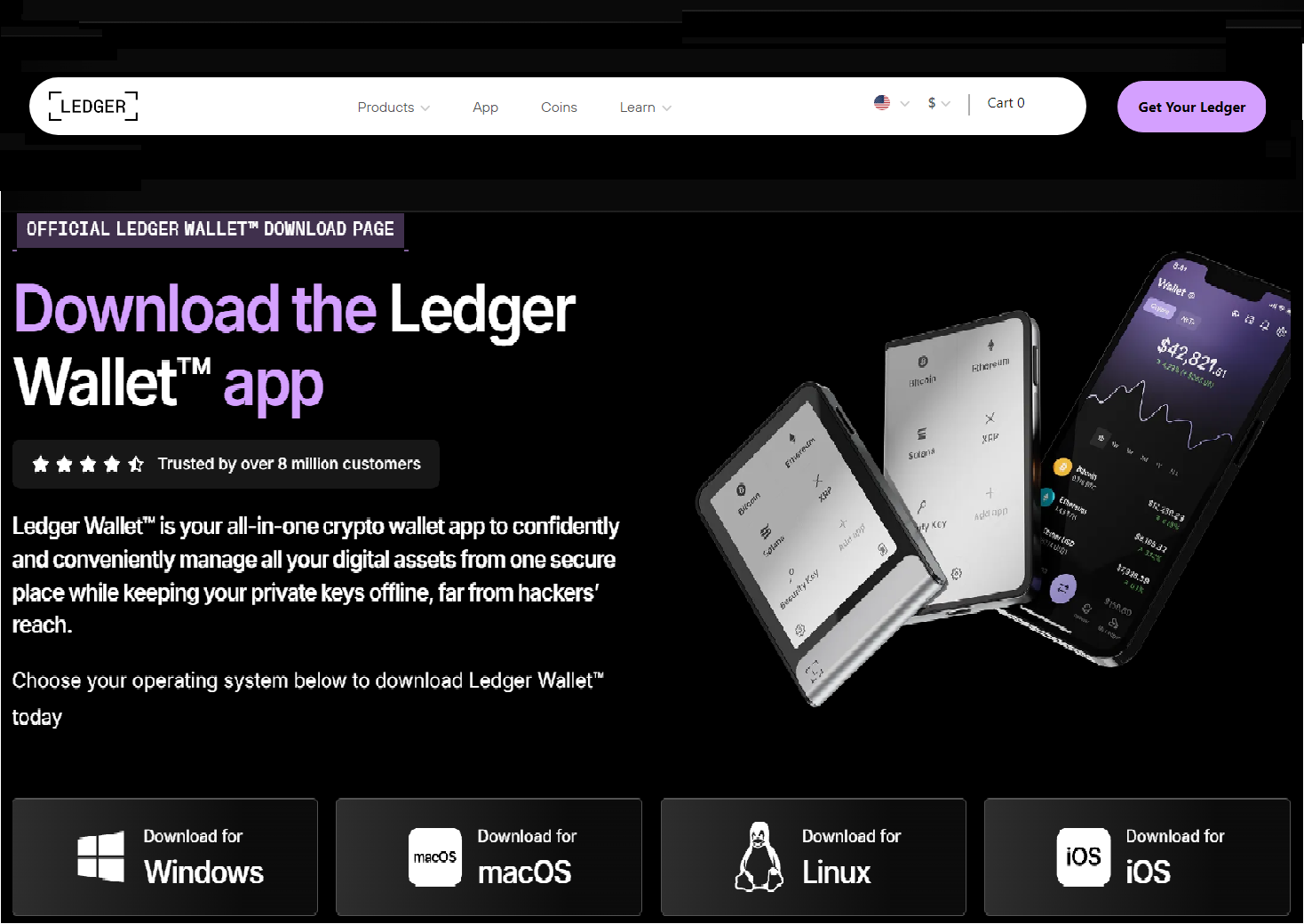
Ledger.com/start: A Simple Wallet Checklist for New Ledger Users
New hardware wallet users often have several questions at the beginning. What should be checked before setup? Which information should remain private? How can transactions be reviewed safely? Creating a straightforward checklist can make these questions easier to manage. Ledger.com/start can serve as the starting point, while a repeatable checklist can guide users through future wallet sessions.
Before Setup: Check Your Environment
Before opening any wallet software, check the computer you plan to use.
Choose a device you trust and control. Avoid using public computers for sensitive wallet activities.
Next, choose a private place where you can concentrate. Avoid multitasking during important setup steps.
Finally, verify your source. Navigate independently to Ledger.com/start instead of relying on links from unknown contacts.
These basic checks can help create a more predictable starting environment.
During Setup: Read Everything Carefully
When setup begins, avoid rushing.
Read each instruction and pay attention to information displayed during important stages. If the hardware wallet asks you to confirm something, understand what you are confirming before continuing.
If an instruction seems unfamiliar or inconsistent, pause and verify it.
The objective is not simply to reach the end of the setup process. It is also to understand how your wallet works.
Recovery Information: Keep It Private
Recovery information is among the most important details associated with your wallet.
Keep it confidential and protect it from unauthorized access. Never send it to someone through email, social media, chat applications, or online forms.
Avoid storing sensitive recovery information as photographs or ordinary digital notes.
Be especially cautious when someone unexpectedly claims that they need your recovery information to troubleshoot or secure your wallet.
After Setup: Check Your Accounts
Once the setup is finished, spend time learning the normal wallet environment.
Review the accounts and assets you expect to use. Learn how balances are displayed and where transaction history can be found.
If you have multiple accounts, understand the purpose of each one.
A clear account structure can make future wallet sessions easier to follow.
Receiving Checklist
Before receiving cryptocurrency, verify:
- The intended account
- The correct asset
- The receiving address
- Any relevant network requirements
Do not confuse a public receiving address with confidential recovery information.
After the transfer is completed, review the transaction so you understand how the incoming activity appears.
Sending Checklist
Before approving an outgoing transaction, review:
Asset: Is the selected cryptocurrency correct?
Network: Is the intended network appropriate?
Destination: Does the recipient information match your intention?
Amount: Is the amount correct?
Confirmation: Does the final information match what you expected?
If something does not match, stop and investigate before approving the transaction.
Website and Software Checklist
Use trusted sources when accessing wallet-related software or information.
Do not assume that a link is legitimate simply because it was sent by someone claiming to provide assistance.
Avoid downloading wallet-related software from unfamiliar websites.
If you receive a message about an urgent update or security problem, independently verify the information before taking action.
Suspicious Message Checklist
When an unexpected message appears, ask:
- Did I initiate this conversation?
- Do I recognize the sender?
- Is the requested action necessary?
- Is confidential information being requested?
- Can I independently verify the claim?
If the situation remains unclear, pause rather than responding under pressure.
Keep Your Routine Simple
A checklist should make wallet management easier, not more complicated.
Use a small number of repeatable habits that you can follow consistently. Verify sources, protect confidential information, review transactions, and stop when something appears unusual.
As you gain experience, you can adapt the checklist to your own wallet activities.
Keep Learning Over Time
Your first setup does not need to answer every cryptocurrency question. Start with basic wallet functions and gradually learn about the topics that matter to you.
Understanding why a process works can be more valuable than memorizing a sequence of clicks.
Conclusion
Using Ledger.com/start as the beginning of your wallet journey can be paired with a simple, repeatable checklist. Check your environment before setup, read instructions carefully, protect recovery information, review accounts, verify receiving and sending details, and independently investigate unexpected messages.
These habits provide a practical framework for approaching everyday hardware-wallet management with greater organization and awareness.
Updated about 4 hours ago